
Choosing dependable Cosmetic Bulk suppliers can shape product quality, cash flow, and customer trust. For wholesale buyers, the lowest quote rarely tells the whole story. A case of lotion may look affordable until shipping, minimum order quantities, or short shelf life change the numbers. The right partner should offer clear product information, consistent stock, and responsive support. Yet supplier claims still need checking. Start by comparing ingredient details, packaging options, lead times, and return policies. Ask for current product specifications and samples when available. Small details matter. A loose cap or vague batch label can create extra work later.
This guide explores what wholesale buyers should look for when evaluating bulk cosmetic suppliers, from range and pricing to fulfillment and communication. It also highlights practical questions to ask before placing a large order. Buyers should confirm that products suit their intended market and review relevant documentation directly with each supplier. Requirements and product availability can vary. Request written quotes, clarify shipping terms, and check how the supplier handles damaged goods or backorders. A polished website is useful, but it does not prove reliable service. That distinction is easy to overlook. No comparison can replace careful verification, and even a strong supplier may not fit every business. Use the criteria ahead to narrow your options, then weigh the trade-offs against your budget, storage space, and customers’ needs.
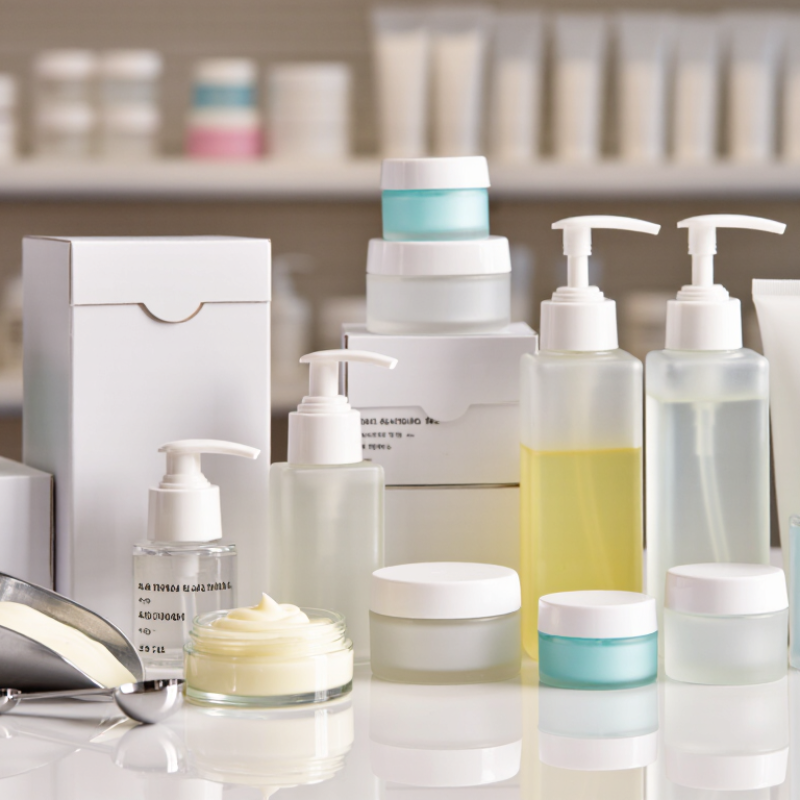
A reliable cosmetic bulk supplier makes quality visible, not merely persuasive. Ask for current ingredient specifications, batch identification, and relevant test records. These documents should match the material being quoted, including its grade and intended use. Details matter. If answers are vague or records arrive only after repeated requests, treat that as a practical warning.
Check how the supplier handles consistency. Request a sample, then compare its color, scent, texture, and packaging with the agreed specification. Ask how production lots are checked and how changes to ingredients or processes are communicated. A sample can feel perfect, yet a later shipment may differ. That risk deserves a direct conversation.
Dependable suppliers also give realistic lead times, clear minimum order quantities, and prompt notice when stock or delivery dates change. Ask who handles quality questions and what information they need to investigate a concern. Test the sample. Communication is part of quality control, though a polished response cannot prove every shipment will be flawless. Keep written specifications and inspect incoming lots; even careful buyers can miss a small inconsistency.
| Supplier Type | Typical Product Scope | MOQ and Pricing Considerations | Documents to Request | Quality and Compliance Checks | Best Fit for Wholesale Buyers |
|---|---|---|---|---|---|
| Bulk ingredient distributor | Cosmetic raw materials, such as emollients, surfactants, thickeners, and preservatives. | Order quantities depend on the ingredient, package size, and distributor terms; request a written price break and minimum order quantity. | Current specification sheet, safety data sheet (SDS), certificate of analysis (COA), and lot or batch identification. | Check grade, identity, purity specifications, storage conditions, shelf life, and whether documents match the supplied lot. | Manufacturers and formulators purchasing ingredients for their own production. |
| Private-label manufacturer | Finished products made from existing formulas, often with buyer-selected packaging, labeling, or presentation. | Minimums can vary by formula, packaging, and production run; clarify whether the MOQ applies per product, shade, or package component. | Product specifications, ingredient list using INCI names, batch COA where available, and applicable safety or compliance records. | Review sample consistency, batch traceability, change-control practices, and the manufacturer’s quality-management procedures. | Retailers and distributors seeking finished goods without building an in-house production facility. |
| Contract manufacturer | Custom or adapted formulations, manufacturing, filling, and sometimes packaging services. | Costs and minimums depend on development work, production scale, ingredients, and packaging; request separate estimates for development and production. | Formulation and product specifications, agreed testing plan, production records, batch documentation, and quality agreement where appropriate. | Ask about cosmetic GMP practices. ISO 22716 is an international guideline for cosmetic GMP; verify the scope and validity of any certification claimed. | Buyers needing a distinct formula, controlled production process, or support scaling from pilot batches. |
| Bulk finished-goods wholesaler | Ready-made, packaged cosmetic products sold in case quantities or larger wholesale lots. | Case packs, volume discounts, and stock availability vary; confirm exact quantities, reorder terms, and whether prices include freight. | Product and ingredient information, lot codes, shelf-life details, invoices, and applicable transport or safety documentation. | Inspect packaging condition, lot coding, expiry or period-after-opening information where applicable, and product authenticity and sourcing records. | Resellers seeking ready-to-sell goods with less production coordination. |
| Packaging and formulation supplier | Bulk formulations, containers, closures, pumps, or related components, supplied separately or as a coordinated package. | Component minimums may differ from formula minimums; check tooling charges, decoration minimums, and compatibility-sample costs. | Material and component specifications, formula documentation, compatibility-test information, and packaging drawings or tolerances. | Test formula-container compatibility, dispensing performance, leakage, and packaging suitability for the product and shipping conditions. | Buyers coordinating bulk product and packaging requirements across one or more production partners. |
| Specialty ingredient supplier | Focused ingredients such as botanical extracts, colorants, actives, or specialty functional materials. | Availability and minimums can be affected by origin, processing, seasonality, and grade; confirm lead time and continuity of supply. | SDS, specification sheet, COA, origin information where relevant, and supporting substantiation for specific ingredient claims. | Check identity, permitted use and restrictions in target markets, storage needs, allergen information where relevant, and traceability. | Formulators seeking specific functional, sensory, or origin-related ingredient characteristics. |
Buyer note: Supplier types describe common sourcing models, not specific companies. Minimum order quantities, lead times, documentation, and regulatory obligations vary by product, supplier, and destination market; confirm them in writing before ordering.
Ask for current ingredient specifications, batch identification, and relevant test records. They should match the quoted material, grade, and intended use. Vague answers deserve follow-up.
Request a sample and compare its color, scent, and texture with the written specification. Check the packaging, too. A good sample is reassuring, but it cannot guarantee every shipment.
Ask how production lots are checked and how ingredient or process changes are communicated. Keep the answer in writing. Small changes can matter.
Options can include skincare, haircare, body care, and color cosmetics. Some suppliers also offer travel sizes or unbranded packaging. Availability varies.
Confirm minimum order quantities, lead times, packaging specifications, and batch documents. Ask for a current product list instead of relying on an old catalog. Check each detail.
A low unit price may not help if products arrive close to expiry. Review shelf-life information and storage instructions before comparing offers.
Test the closure and pump during normal handling. Check label space and packaging against the agreed specifications. A package may look right but feel awkward in use.
Ask who handles quality concerns and what information they need to investigate one. Request prompt notice of stock or delivery changes. Pause before ordering more.
Choosing a reliable Cosmetic Bulk supplier starts with assessing product quality, consistency, clear product information, and dependable communication. Wholesale buyers may source a range of categories, including skincare, haircare, makeup, body care, and personal care essentials. The right selection depends on the intended customer, sales channel, and desired product mix.
Supplier types can vary in their product range, order flexibility, customization options, and fulfillment approach. Buyers can compare them by reviewing minimum order quantities, pricing transparency, quality-control practices, packaging choices, lead times, and support. Before placing an order, plan demand carefully, confirm specifications and quantities, allow time for production and delivery, and clarify how samples and repeat orders will be handled. A thoughtful process can help buyers manage costs, maintain consistent inventory, and build a dependable wholesale supply plan.
