
Choosing a private-label manufacturer is more than comparing prices. A reliable partner must turn a brief into a consistent formula, attractive packaging, and repeatable production. For global buyers, the details matter: ingredient documentation, sample quality, batch controls, lead times, and clear communication can shape a launch as much as the product itself.
Cosmetic chemist and educator Perry Romanowski has long advocated science-based product development. Paraphrasing that principle: product claims should be grounded in sound formulation and evidence. It is a useful test when reviewing suppliers. Ask how a company checks incoming ingredients, evaluates stability, and handles formula changes. Request specific answers, not just a polished catalog. A neat sample jar is encouraging. It is not proof of dependable manufacturing.
This Top 10 guide to Private Cosmetic suppliers gives buyers a starting point for comparing capabilities, product ranges, customization, and support. It does not mean every supplier suits every brand. Some excel at fast sampling; others offer broader packaging choices or stronger export experience. And a promising conversation can still reveal gaps. Check current certifications, specifications, and commercial terms directly before committing. A supplier’s public profile may not tell the whole story, but careful questions can help you find a partner that fits your product, timeline, and quality expectations.
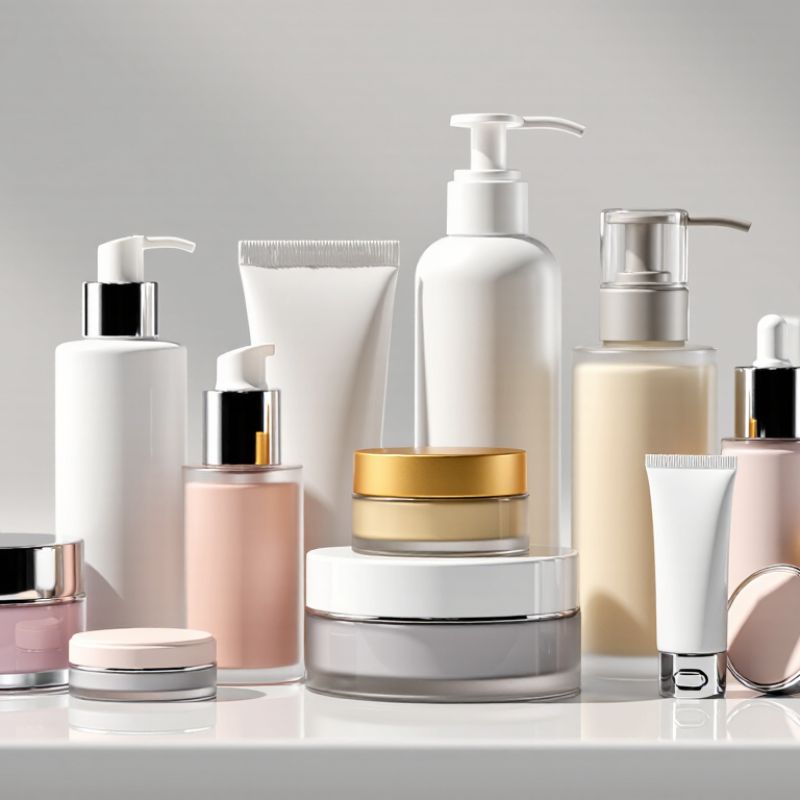
Top 10 Private Cosmetic Suppliers for Global Buyers
Understanding Private Cosmetic Suppliers and Their Role in the Global Market
Private cosmetic suppliers help buyers develop, manufacture, and package products under a buyer’s own label. Services can include formula development, sample production, packaging selection, and manufacturing coordination. Some suppliers offer ready-made formulas; others support more customized projects. For global buyers, that flexibility can simplify product development, but it also makes supplier comparison important. A clear brief saves time. Specify the product type, target market, packaging format, and expected order volume before requesting a quote.
A capable supplier should explain its production process, quality checks, lead times, and documentation in plain language. Ask how samples are assessed and how changes are recorded between sample approval and production. Request relevant quality documents, then confirm they match the facility and product being discussed. Manufacturing experience matters, but communication matters too. A low quote may leave out packaging, testing, or freight costs. And even a detailed plan can miss something; buyers should review assumptions before placing an order.
Tips: Compare suppliers using the same written brief. Check sample texture, scent, color, and packaging fit under consistent conditions. Confirm timelines and responsibilities in writing, and keep records of approvals. If an answer feels vague, ask for a specific example. A polished sample is useful, but it cannot prove every production run will be identical.
A supplier’s presentation is only a starting point. Ask to see the production floor, not just a slide deck. Check whether mixing vessels, filling lines, and cleaning procedures suit your product and forecast volume. A 500-liter tank may be efficient for one formula but impractical for a small pilot run. Request sample batch records and ask how operators document temperature, mixing time, and deviations.
Quality controls should be visible in the paperwork. Review raw-material specifications, incoming inspection records, finished-product test results, and batch traceability. Ask how the supplier handles stability testing and packaging compatibility, including changes in color, scent, or texture over time. Check current manufacturing certificates and audit reports, then confirm their scope and issuing details. A certificate alone proves little.
Compliance depends on the destination market and the product’s claims. Ask who checks ingredient restrictions, label language, safety files, and required notifications for each market. Get responsibilities in writing; vague answers can become costly later. If possible, speak with the quality manager and inspect a recent corrective-action example. No audit catches everything. I would still leave room for doubt: a tidy factory visit cannot replace ongoing document reviews, clear change-control rules, and occasional follow-up checks.
| No. | Assessment Dimension | What Buyers Should Verify | Evidence to Request | Relevant Standard or Regulatory Reference | Practical Evaluation Signal |
|---|---|---|---|---|---|
| 1 | Cosmetic GMP and quality system | Confirm that documented procedures cover production, hygiene, quality control, deviations, complaints, and corrective actions. | Current GMP audit report, quality manual, training records, deviation and CAPA examples, and scope of any certification. | ISO 22716:2007 provides guidelines for the production, control, storage, and shipment of cosmetic products. In the EU, compliance with good manufacturing practice is required under Regulation (EC) No 1223/2009; following ISO 22716 gives a presumption of GMP compliance. | Check audit date, site address, product scope, open findings, and whether corrective actions were verified as effective. |
| 2 | Facility and process capability | Assess whether the site and equipment suit the product format, batch size, processing needs, and expected production scale. | Facility layout, equipment list, process flow diagrams, maintenance records, and a site-tour or remote-audit report. | ISO 22716 covers facilities and equipment as part of cosmetic GMP. Equipment and premises should be suitable for their intended use and maintained appropriately. | Match the proposed line and process to the actual product; verify segregation and controls where different materials or product types could create contamination risks. |
| 3 | Quality control and laboratory testing | Review raw-material, in-process, bulk, and finished-product testing, including how results are assessed against written specifications. | Test methods, representative certificates of analysis, laboratory equipment calibration records, and external-lab qualifications where applicable. | ISO 22716 includes quality-control activities. ISO/IEC 17025 specifies competence requirements for testing and calibration laboratories; accreditation applies to the laboratory’s stated scope. | Confirm that methods are suitable for the product and that reported results can be traced to the batch and specification tested. |
| 4 | Batch records and traceability | Check whether each batch can be linked to its formula version, ingredient lots, packaging components, production records, test results, and release decision. | Redacted batch manufacturing records, lot-traceability procedure, retention policy, and records from a mock traceability exercise. | ISO 22716 addresses documentation and records. EU Regulation (EC) No 1223/2009 requires specified supply-chain traceability information to be retained for six years by responsible persons and distributors. | Ask the supplier to demonstrate forward and backward tracing for a selected batch, including the time taken and records retrieved. |
| 5 | Product safety and stability support | Determine how the supplier supports product safety assessment, stability evaluation, preservative effectiveness testing where relevant, and packaging compatibility. | Stability protocol and report, microbiological test results as applicable, packaging compatibility data, and formulation or safety documentation available under agreement. | For EU-market cosmetics, Regulation (EC) No 1223/2009 requires a Cosmetic Product Safety Report (CPSR) as part of the Product Information File (PIF). Test scope should be justified for the specific product. | Check that protocols reflect the formula, packaging, and intended use; confirm how changes trigger review or additional testing. |
| 6 | Ingredient and supplier controls | Review qualification of ingredient suppliers, incoming-material checks, specifications, change notification, and controls for restricted or prohibited substances. | Approved-supplier procedure, ingredient specifications, representative safety data and certificates, incoming inspection records, and change-control procedure. | EU Regulation (EC) No 1223/2009 sets requirements for cosmetic ingredients, including substances listed in its annexes. Applicable ingredient restrictions vary by market and product. | Verify that ingredient documentation identifies the material and supplier lot and that regulatory screening is performed for each intended sales market. |
| 7 | Market-specific regulatory readiness | Establish which party handles market-specific assessments, notifications, listings, responsible-person duties, and supporting product records. | Written responsibility matrix, market-by-market compliance checklist, sample label review, and evidence of completed filings where applicable. | In the EU, a Responsible Person, PIF, CPSR, and pre-market CPNP notification are required under Regulation (EC) No 1223/2009. In the United States, MoCRA includes applicable facility-registration and product-listing requirements; exemptions may apply. FDA does not generally approve cosmetic products before marketing, except for color additives subject to approval requirements. | Confirm legal responsibility, applicable exemptions, filing status, and who maintains or updates records after formula or label changes. |
| 8 | Labeling and claims controls | Assess how the supplier supports accurate ingredient declarations, mandatory label information, warnings, language requirements, and substantiation of product claims. | Label-review workflow, approved artwork records, ingredient nomenclature checks, claims-substantiation files, and change-control records. | Labeling rules differ by destination market. EU cosmetic labeling requirements are set out in Regulation (EC) No 1223/2009; claims must also comply with applicable rules, including the EU common criteria in Regulation (EU) No 655/2013. | Review final market-specific artwork rather than relying on a generic label template; check that claims are supported and do not imply an unapproved drug or therapeutic effect. |
| 9 | Capacity, lead time, and continuity | Validate available line capacity, minimum order quantities, material lead times, production scheduling, backup arrangements, and business-continuity planning. | Capacity and lead-time statement, production-planning process, critical-material sourcing plan, and business-continuity or disaster-recovery summary. | These are commercial and operational due-diligence checks rather than a single universal cosmetics certification requirement. | Compare stated capacity with recent, redacted production schedules; clarify assumptions, seasonal constraints, and remedies for delays. |
| 10 | Change control, complaints, and recall readiness | Check how the supplier manages formula, process, site, ingredient, and packaging changes, as well as complaints, adverse events, and recall cooperation. | Change-control procedure, complaint-handling workflow, escalation contacts, recall procedure, and evidence of a mock recall or equivalent exercise. | ISO 22716 addresses changes, complaints, and recalls. EU Regulation (EC) No 1223/2009 assigns product-safety and corrective-action responsibilities to relevant economic operators, including the Responsible Person. | Require advance written notice of material changes and verify that the supplier can identify affected lots and provide records during a traceability or recall exercise. |
Global buyers need more than a low unit price; they need a supplier whose expertise matches the product and production stage. McKinsey estimated the global beauty market could reach $580 billion by 2027, growing about 6% annually. That growth makes supplier selection more consequential, but it does not guarantee every factory can scale reliably. Five useful expertise areas are full-service OEM/ODM development, skincare formulation, active-ingredient integration, color cosmetics, and haircare. Ask for sample batches and stability-test records, not just a polished presentation.
Five more areas deserve attention: body-care production, sun-care formulation, sensitive-skin product development, packaging and filling engineering, and pilot-to-commercial scale-up. Packaging specialists can help match a pump to a thick lotion; scale-up teams should explain how they keep texture consistent across larger batches.
Details matter. Request clear information on minimum order quantities, lead times, quality checks, and change-control procedures.
McKinsey’s market estimate is a forecast, not a promise of demand for any one product. And a capable supplier may still be a poor fit if communication is slow or small test runs are unavailable.
One awkward point: buyers often compare prices before defining the testing and documentation they actually need. That can make a cheap quote misleading.
Private cosmetic suppliers differ less by catalogue size than by how consistently they can make each format. One may offer cleansers, creams, serums, and masks, while another specializes in a narrower set. Ask whether listed options are stock formulas or require custom development; the distinction affects cost and timing. Request current product specifications, sample lead times, and a clear account of available packaging sizes. A broad range looks useful, but it can hide gaps in testing or component sourcing. Small orders matter. Minimums may apply per formula, shade, or package, not just per purchase order.
Compare minimum order quantities with realistic launch demand and storage limits, rather than choosing the lowest figure alone. A low minimum can reduce exposure, yet unit costs may rise and repeat batches may vary. Production capacity also needs context: ask for monthly output by product type and current schedule utilization. Request examples of batch records, quality checks, and procedures for handling defects or delayed ingredients. A factory’s headline capacity is not the same as confirmed space for your order. Capacity isn’t a promise. Have the supplier explain scale-up steps, from pilot batch to routine production, in writing. Check that timelines include testing, packaging procurement, and shipping preparation. No supplier is perfect; unclear answers are a reason to pause and verify, not assume.
Shortlisting a private cosmetic supplier starts with a clear product brief. Define the formula type, packaging, target price, order volume, and launch schedule. A supplier that makes creams may not have the right equipment for a fine mist. Ask for its product range, minimum order quantities, production capacity, and typical lead times. Request relevant quality documents and sample records, then verify that they match your product and destination markets. Details matter.
Compare suppliers using the same questions. Ask who handles formula adjustments, ingredient sourcing, stability testing, packaging compatibility, and batch records. Request a sample in the intended container, not just a jar of bulk formula. Check texture, scent, dispensing, and appearance after storage under realistic conditions. A polished sample is useful, but it cannot prove consistent production. A spreadsheet can hide that gap.
Before placing a larger order, agree on written specifications, approval steps, payment terms, defect handling, and delivery milestones. Confirm how changes will be documented and who will respond if a batch misses an agreed standard. Speak with suitable business references when available, and assess response times during early discussions. Keep a small trial run in the plan if practical. It may add cost, but skipping it can create bigger problems. Even a careful process leaves some uncertainty; record open questions and review them before committing.
A supplier may develop formulas, make samples, source packaging, and coordinate production under your label. Services vary.
Describe the product, target market, packaging, and expected order volume. A clear brief saves time. Small orders matter.
Ask whether each option is a stock formula or needs custom development. Request current specifications, sample timing, and available package sizes.
Compare its texture, scent, and color under consistent conditions. Check whether the product fits its container. A sample is not a promise.
Minimums may apply per formula, shade, or package. Compare them with expected demand and storage space; lower minimums can mean higher unit costs.
Request output details by product type and ask about the current schedule. Confirm space for your order. Capacity isn’t a promise.
Ask whether the quote includes packaging, testing, and freight. Confirm that timelines cover testing and packaging procurement. Ask again if details are vague.
Request relevant quality documents and check that they match the product and facility. Record sample approvals and agreed changes in writing. I may miss a detail, so review assumptions before ordering.
This article explores how Private Cosmetic suppliers support global buyers by turning product concepts into finished goods through formulation, testing, packaging, and manufacturing services. It explains how to assess a supplier’s production equipment, quality-control processes, technical expertise, certifications, and ability to meet relevant market requirements. The featured top ten suppliers are considered by areas of expertise, such as skincare, color cosmetics, personal care, and custom formulation, helping buyers understand the range of capabilities available.
The guide also compares product offerings, minimum order quantities, production capacity, lead times, and customization options. To shortlist a suitable partner, buyers should define their product goals and budget, review samples and documentation, check communication and delivery reliability, and clarify pricing, timelines, and quality expectations before entering a partnership.
